
At Beacon Learners
A Bridge To Cultural Heritage
Mastering Chinese builds disciplined thinking and opens doors to one of the world's oldest cultures. Proficiency in Chinese is a critical academic asset and a strategic skill for the future. Mastering Chinese well becomes a bridge to rich cultural heritage and vast future opportunities. At Beacon Learners, we see Chinese as a dual advantage: a key to academic excellence and a living connection to a profound cultural legacy. We teach the language as a skill for life. Here are some of the classic Chinese poems with English translation. Adding bilingual poetry isn't just decoration—it's the soul of the project. Here’s why it’s pure genius: The poetry does what an object cannot: Maybe a misty mountain, a lone fisherman, or a few bamboo leaves. But a brushstroke can only say so much. When a person add a classical Chinese poem alongside an English translation, he or she is giving the scenery a voice. The viewer is thinking: "This isn't just a painted hill. This is the feeling of being alone in the mist, missing someone far away." Sometimes we will also notice that some Japanese understand Chinese characters. By putting Chinese and English side-by-side, we are literally creating a cultural connection. The Japanese reader recognizes the kanji, a Chinese reader feels the original rhythm, and an English reader gets a lyrical entry point. No one is left out.
Plum Blossom (The Classic)
Wang Anshi (Song)
墙角数枝梅,凌寒独自开。
遥知不是雪,为有暗香来。
In the corner of the wall, a few plum branches bloom,
Bravely opening alone in the biting cold.
From afar, I know they are not snow—
For a faint fragrance quietly drifts through.
Quiet Night Thoughts
Li Bai (Tang)
床前明月光,疑是地上霜。
举头望明月,低头思故乡。
Before my bed, the moonlight glows,
I wonder if it's frost upon the ground.
I lift my head to watch the moon,
Then lower it, thinking of my hometown.
Deer Enclosure
Wang Wei (Tang)
空山不见人,但闻人语响。
返景入深林,复照青苔上。
In these empty hills, no one is seen,
Only echoes of voices are heard.
Returning sunlight pierces the deep woods,
And falls again upon the green moss.
Deer Enclosure
Wang Wei (Tang)
空山不见人,但闻人语响。
返景入深林,复照青苔上。
In these empty hills, no one is seen,
Only echoes of voices are heard.
Returning sunlight pierces the deep woods,
And falls again upon the green moss.
River Snow
Liu Zongyuan (Tang)
千山鸟飞绝,万径人踪灭。
孤舟蓑笠翁,独钓寒江雪。
Across a thousand mountains, no bird in flight,
On ten thousand paths, no human trace.
A lone boat, an old man in straw cloak and hat,
Fishing alone in the cold river snow.
Bamboo Pavilion
Wang Wei (Tang)
独坐幽篁里,弹琴复长啸。
深林人不知,明月来相照。
Sitting alone in the quiet bamboo grove,
I strum my lute and whistle long.
Deep in the woods, no one knows I'm here—
Only the bright moon comes to shine on me.
West Lake
Su Shi (Song)
水光潋滟晴方好,山色空蒙雨亦奇。
欲把西湖比西子,淡妆浓抹总相宜。
The shimmering water looks fine under clear skies,
The misty mountains feel magical in the rain.
If I must compare West Lake to a beauty,
She looks lovely in light makeup or heavy paint.
Spring Dawn
Meng Haoran (Tang)
春眠不觉晓,处处闻啼鸟。
夜来风雨声,花落知多少。
Spring slumber lingers, I wake not to dawn,
Everywhere I hear the birds singing.
Last night came the sound of wind and rain—
I wonder how many petals have fallen.
Plum Blossoms
(Another) – Lu You (Song)
闻道梅花坼晓风,雪堆遍满四山中。
何方化作身千亿,一树梅花一放翁。
I hear the plums crack open in the dawn wind,
Snowdrifts pile across the four mountains.
How could I transform into a thousand selves,
To stand by every plum tree, one man per bloom?
Mountain Journey
Du Mu (Tang)
远上寒山石径斜,白云生处有人家。
停车坐爱枫林晚,霜叶红于二月花。
A stone path winds far up the cold mountain,
Where white clouds rise, there are homes of men.
I stop my cart to love the maple woods at dusk—
The frosty leaves are redder than spring flowers.
A Quatrain
Du Fu (Tang)
两个黄鹂鸣翠柳,一行白鹭上青天。
窗含西岭千秋雪,门泊东吴万里船。
Two golden orioles sing in the green willows,
A line of white egrets rises into the blue sky.
My window frames the western hills' eternal snow,
At my door, a ship from far-off East Wu rests.
Bird-Singing Stream
Wang Wei (Tang)
人闲桂花落,夜静春山空。
月出惊山鸟,时鸣春涧中。
With leisure, I see the osmanthus fall,
At night, the spring hills are still and empty.
The rising moon startles the mountain birds—
They chirp now and then in the spring ravine.
A Visit to a Friend's Cottage
Meng Haoran (Tang)
开轩面场圃,把酒话桑麻。
待到重阳日,还来就菊花。
I open the window to face the threshing ground,
Holding wine, we talk of hemp and mulberry.
When the Double Ninth Festival comes around,
I will return to enjoy the chrysanthemums with you.
Autumn Dusk in the Mountains
Wang Wei (Tang)
空山新雨后,天气晚来秋。
明月松间照,清泉石上流。
Fresh rain has just washed these empty hills,
Evening brings the chill of autumn.
Bright moonlight gleams through the pines,
Clear springs flow over the stones.
Maple Bridge Night Mooring
Zhang Ji (Tang)
月落乌啼霜满天,江枫渔火对愁眠。
姑苏城外寒山寺,夜半钟声到客船。
Moon sets, crows cry, frost fills the sky,
River maples and fishing lights face my sleepless rest.
Beyond the town of Suzhou, Cold Mountain Temple's bell
Reaches my guest boat at the midnight hour.
Making Tea at the Spring
Bai Juyi (Tang)
坐酌泠泠水,看煎瑟瑟尘。
无由持一碗,寄与爱茶人。
I sit, scooping the cool, clear spring,
Watching the powdered tea brew, emerald green.
Without any reason, I hold this bowl—
To send to the one who loves tea as I've seen.
Sitting Alone by Jingting Mountain
Li Bai (Tang)
众鸟高飞尽,孤云独去闲。
相看两不厌,只有敬亭山。
All the birds have flown high and far away,
A lone cloud drifts idly off, unhurried.
We watch each other and never grow tired—
Only this Jingting Mountain, deeply cherished.
Mooring on the River at Dusk
Meng Haoran (Tang)
移舟泊烟渚,日暮客愁新。
野旷天低树,江清月近人。
I move my boat and moor by the misty isle,
As dusk falls, a traveler's sorrow revives.
The open field meets the sky, lower than the trees,
The river is clear, and the moon draws close to me.
Waterfall at Mount Lu
Li Bai (Tang)
日照香炉生紫烟,遥看瀑布挂前川。
飞流直下三千尺,疑是银河落九天。
Sunlight gilds the Incense Burner peak with purple smoke,
From afar, the waterfall hangs like a river ahead.
It plunges straight down three thousand feet—
I wonder if the Silver River fell from Heaven instead.
Spring River Scene
Su Shi (Song)
竹外桃花三两枝,春江水暖鸭先知。
蒌蒿满地芦芽短,正是河豚欲上时。
Beyond the bamboo, two or three peach branches bloom,
The spring river warms—the ducks know it first.
Wormwood covers the ground, reeds shoot up short—
Just when the pufferfish are about to make their burst.
Drinking Wine (Excerpt)
Tao Yuanming (Jin)
采菊东篱下,悠然见南山。
山气日夕佳,飞鸟相与还。
I pluck chrysanthemums beneath the eastern hedge,
And at leisure, I see the southern mountain arise.
The mountain air is lovely as dusk approaches,
And flocks of birds fly home together before my eyes.
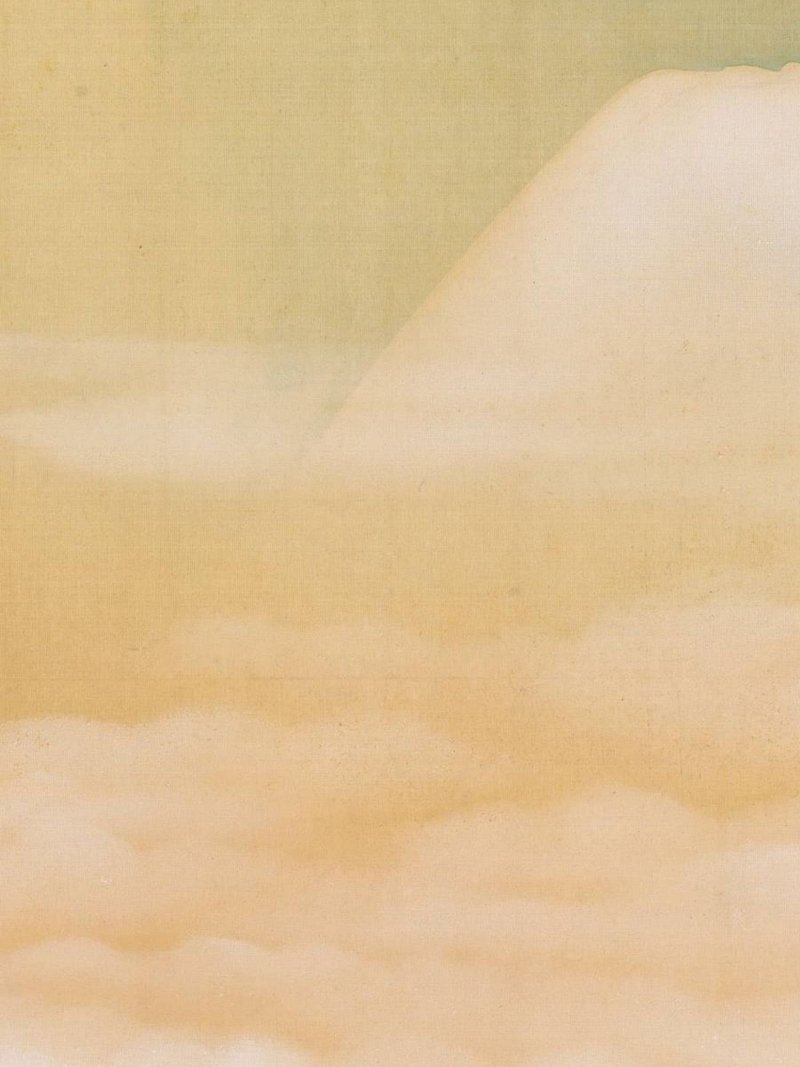
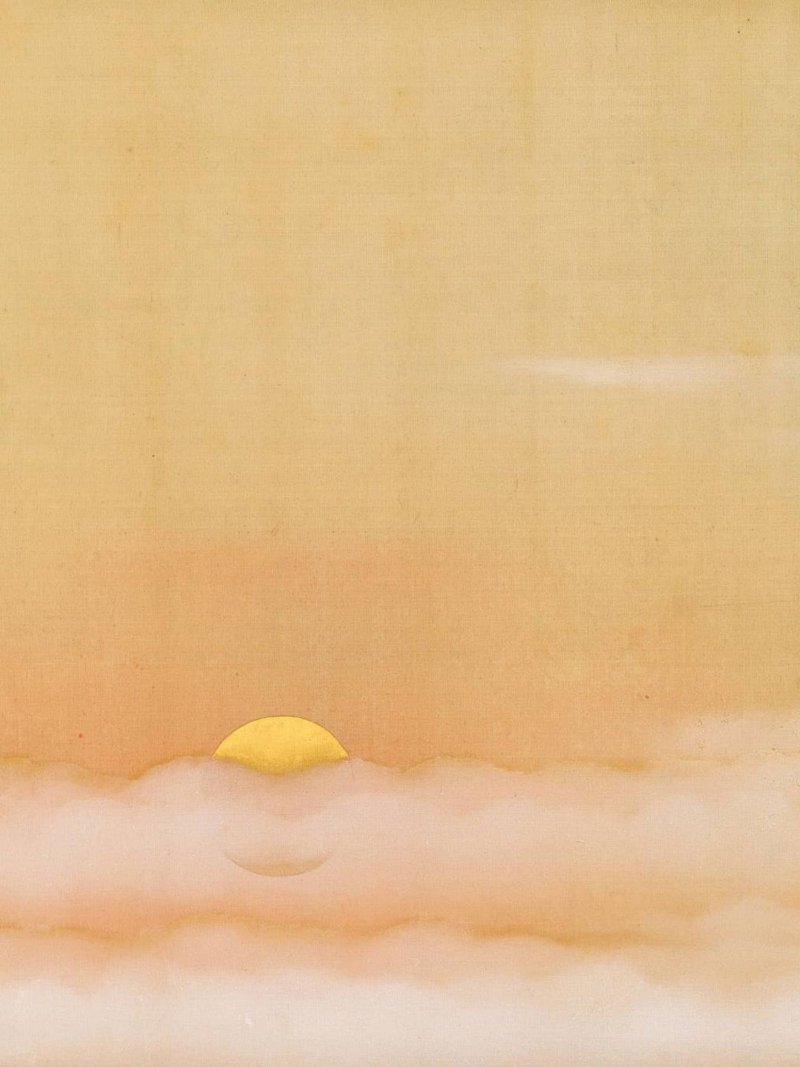
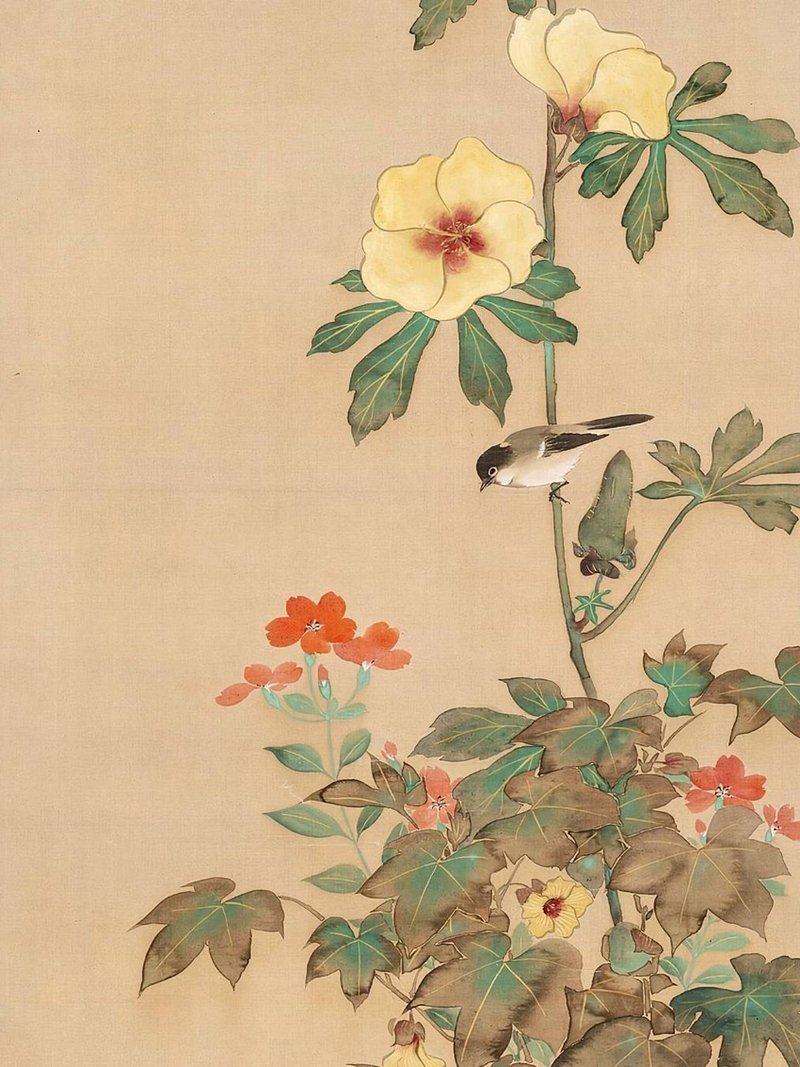
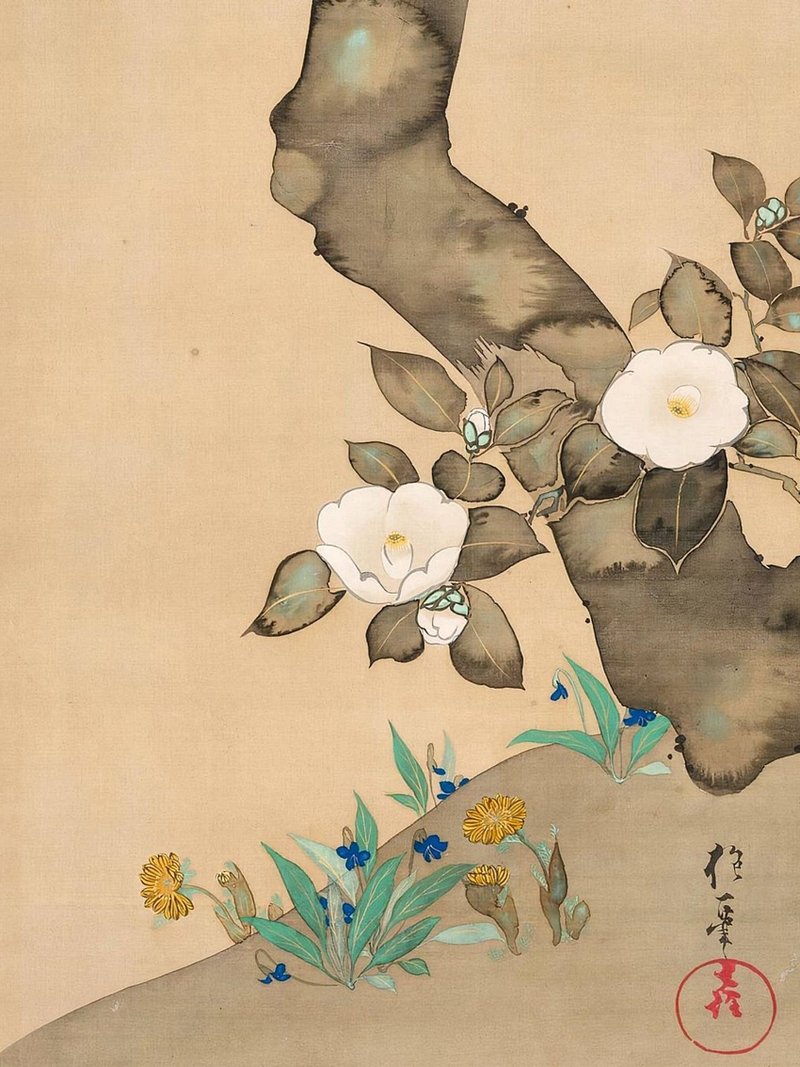
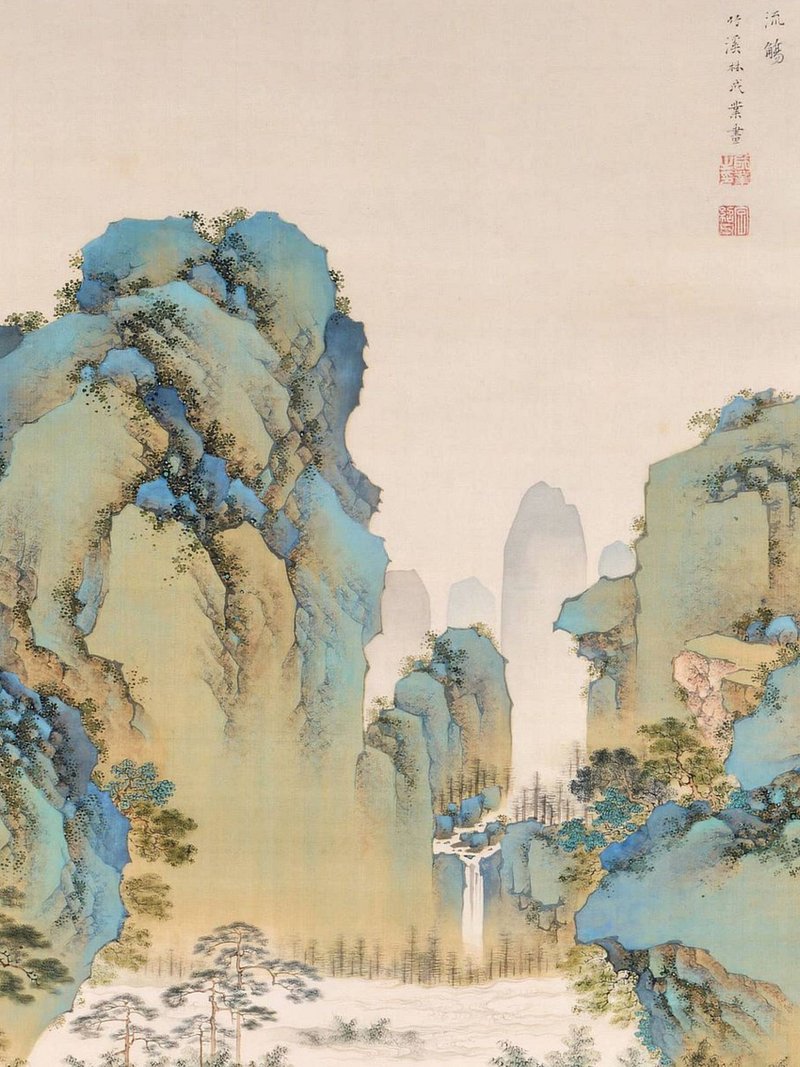
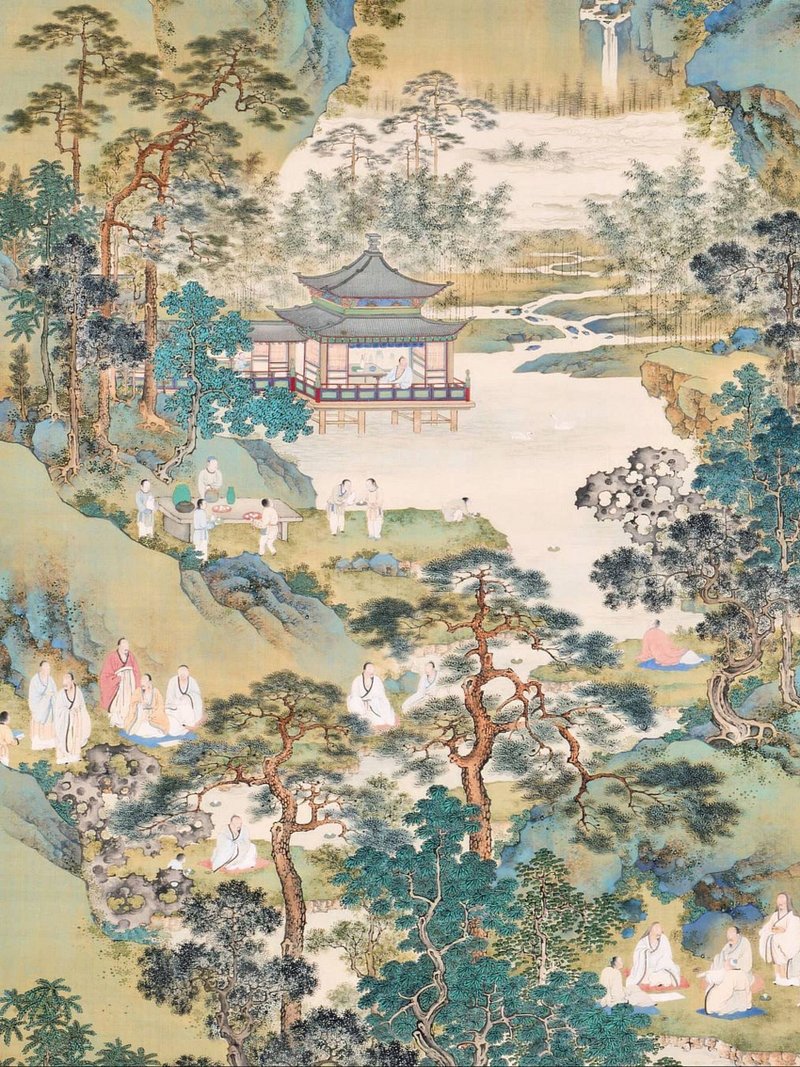
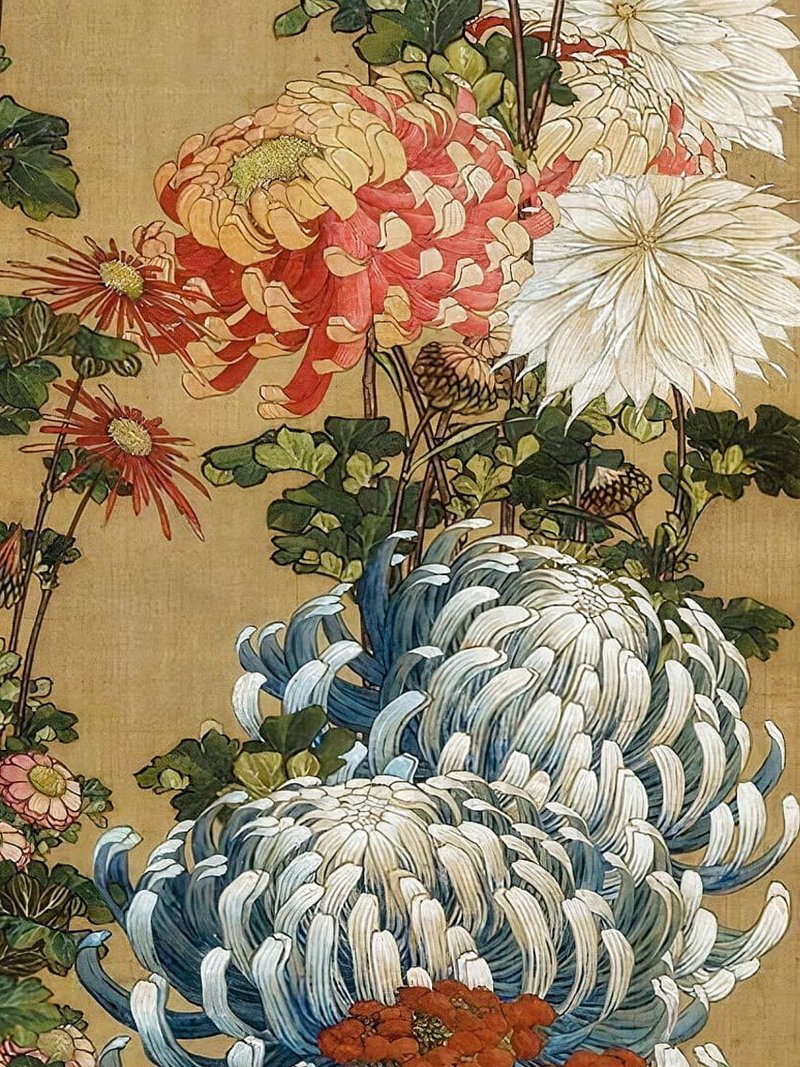

Chinese painters often added poems and seals directly onto the painting—making it a fusion of poetry, calligraphy, and visual art. The painting was not "finished" until the scholar added his poem and red seal. Both Chinese and Japanese cultures have rich, profound histories that have contributed enormously to global heritage from philosophy, art, and literature to science, technology, and cuisine. Ink painting (Sumi-e / Suibokuga): Both cultures developed monochrome brush painting from shared similar scholarly ideals, using similar rice paper, ink stones, and brush techniques to capture nature's "spirit" rather than just its form. Motifs: Pine, bamboo, plum, cranes, and dragons appear across both traditions, though stylized differently over time.
Some Key Examples of Cross-Cultural Influence include:
Hokusai's "A True Mirror of Chinese and Japanese Poems": Katsushika Hokusai created an entire series (c. 1833) explicitly pairing Japanese and Chinese poetic traditions. A work like Ariwara no Narihirafrom this series would be perfect for your site's theme.
Utagawa Kuniyoshi's "Japanese and Chinese Comparisons for the Chapters of Genji": This 1855 series directly references the classic Japanese novel The Tale of Genji through the lens of Chinese comparisons. It’s a beautiful, literal example of the two cultures in dialogue.
Torii Kiyonaga's "Chinese boys copying paintings...": This c. 1791 print depicts Chinese boys engaged in Japanese cultural activities. It's a charming and direct visual representation of cultural exchange.
Hiroshige's Landscapes: While exploring purely Japanese scenes, many of Utagawa Hiroshige's works, such as Hamamatsu—No 30from the Fifty-three Stations of the Tokaido or his Eight Views of Omiseries, are deeply rooted in aesthetic sensibilities that owe much to earlier Chinese landscape painting traditions.
Many top-tier museums have released high-resolution images of their public domain works under open licenses (often CC0), meaning you can download and use them freely without restrictions.
Museum Online:
The Metropolitan Museum of Art (The Met): Offers over 490,000 images of public domain artworks spanning 5,000 years, available under CC0 for any purpose. Art Institute of Chicago: Provides access to over 130,000 public domain artworks via their website and a dedicated public API. Rijksmuseum (Amsterdam): Features a robust "Rijksstudio" where you can download high-resolution images of Dutch masters and more, typically averaging 4500 x 4500 pixels. National Gallery of Art (Washington, D.C.): A large selection of artworks is available directly for download under CC0. Smithsonian Open Access: Allows you to download and reuse millions of images and data from across its 21 museums and research centers without asking for permission. Paris Musées: A collective digital archive of 14 Parisian museums (including the Louvre), offering over 100,000 public domain artworks. Other Notable Museums: The Getty, Cleveland Museum of Art, National Gallery of Denmark (SMK), Nasjonalmuseet (Oslo), and the Belvedere (Vienna) all have significant public domain collections available for free download.